


Breathing exercises, taught properly

    Fifteen exercises, from the breathing control NHS physiotherapists teach to box breathing and 4-7-8. Each one comes with clear steps, a breathe-along guide and a printable sheet, and every health claim is graded by the quality of the research behind it.

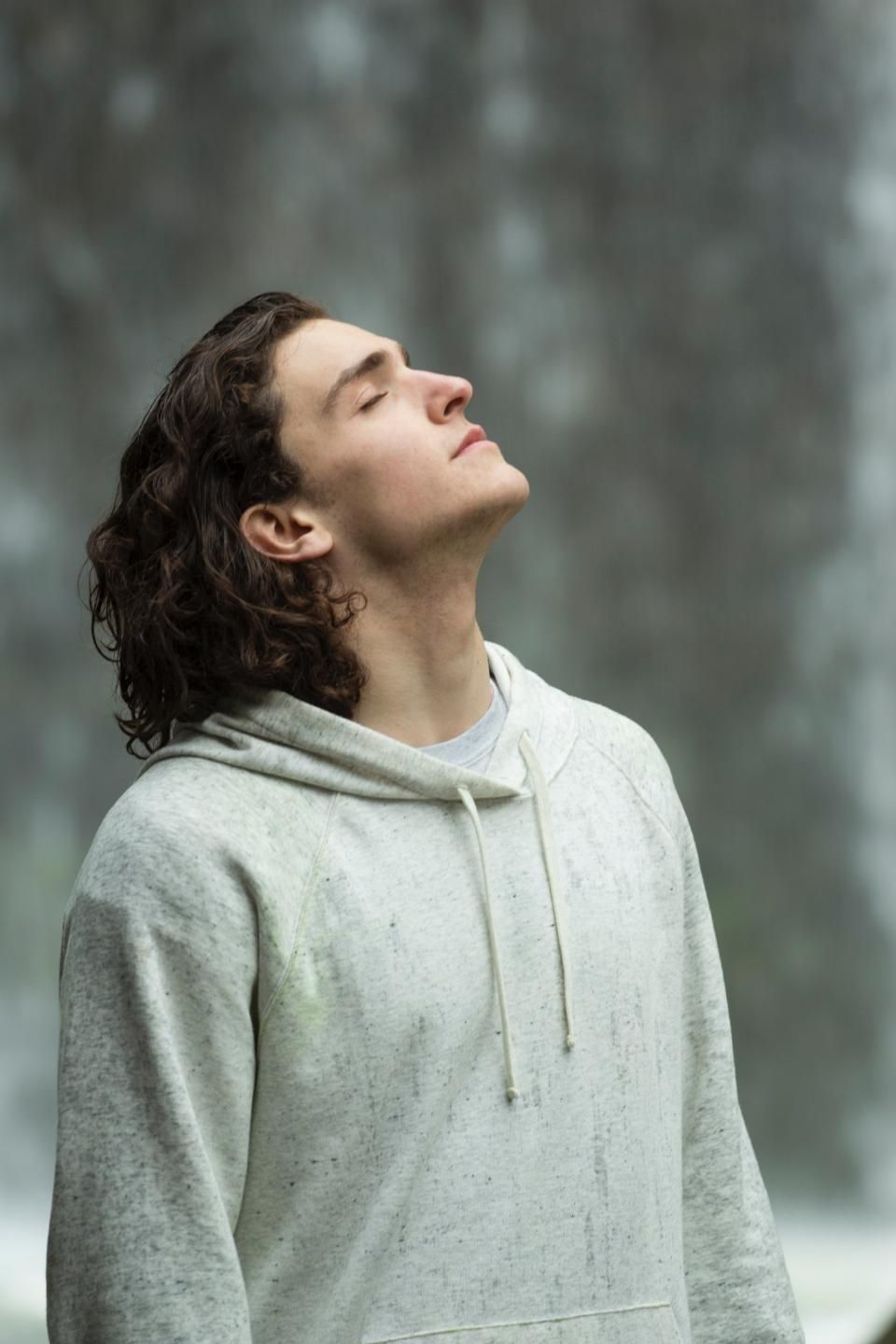
    A young man in a grey hoodie standing outdoors with his eyes closed and his face tilted up, taking a slow breath
    A slow breath outdoors. Photo: Elijah Hiett, CC0
    12–20
    breaths a minute is normal for an adult at rest
    6/min
    is the slow pace of resonance breathing, used in most blood pressure trials
    5.6mmHg
    average fall in systolic blood pressure with slow breathing, across 17 studies
    655
    people with asthma in a UK trial where breathing retraining improved quality of life

    Try one now

    Pick an exercise, press start and breathe with the circle: it grows as you breathe in and shrinks as you breathe out. Three minutes of resonance breathing is a good place to begin.

    Breathe along

    Press start and follow the circle

    1. Breathe in5s
    2. Breathe out5s

    6 breaths a minute, 10 seconds a breath

    3:00 left

    Breathe at a size that feels comfortable: slower is not the same as deeper. Stop if you feel dizzy or tingly, and breathe normally until it passes. Nothing is recorded or sent anywhere.

    What the research says

    Breathing exercises are cheap, safe for most people and can help, but some claims run well ahead of the evidence. Here is each common claim, graded by the quality of the studies behind it.

    1. Raising heart rate variability

      Slow breathing raises heart rate variability during and after practice in almost every study: 223 of them in one review. What that means for long-term health is less clear.

      Strong

    2. Easing stress and anxiety

      Reviews of randomised trials find small to moderate falls in stress and anxiety, though many trials were small or at risk of bias.

      Moderate

    3. Lowering blood pressure

      Slow breathing lowered systolic blood pressure by about 5.6 mmHg across 17 studies, but the studies varied widely.

      Moderate

    4. Sport and fitness

      Breathing muscle training improves endurance in reviews of dozens of trials. Other breathing methods have little evidence in sport.

      Moderate

    5. Panic attacks

      Slow breathing is standard advice, and breathing retraining makes panic treatment easier to stick with, but adds little to how well it works.

      Weak

    6. Sleep

      One small study found slow breathing before bed improved sleep in people with insomnia. No trial has tested 4-7-8 breathing for sleep.

      Weak

    7. Low mood and depression

      Trials suggest a small lift in mood, but most were small and at risk of bias.

      Weak

    8. Pain

      Slow breathing lowered short-term pain in seven trials, but the evidence is very low certainty.

      Weak

    9. Menopause hot flushes

      The largest trial found paced breathing worked no better than fast shallow breathing. Experts now recommend against it.

      None

    10. Boosting your immune system

      Studies of the Wim Hof method found it damps down inflammation for a few hours, which is not the same thing. No trial shows fewer infections.

      None

    11. Detoxing or alkalising your body

      Over-breathing briefly makes your blood more alkaline, which is what causes tingling and dizziness. It does not remove toxins.

      None

    • No good evidence
    • Weak evidence
    • Moderate evidence
    • Strong evidence

    See every benefit, graded

    Every rhythm, side by side

    Most calming exercises work the same way: they slow you down and make the out-breath longer than the in-breath. The differences are in the holds. Compare them all.

    • Breathe in
    • Hold, lungs full
    • Breathe out
    • Hold, lungs empty
    1. Diaphragmatic breathing
      46
      6 a minBreathe in 4 seconds, Breathe out 6 seconds
    2. Box breathing
      4444
      3.8 a minBreathe in 4 seconds, Hold 4 seconds, Breathe out 4 seconds, Hold 4 seconds
    3. 4-7-8 breathing
      478
      3.2 a minBreathe in 4 seconds, Hold 7 seconds, Breathe out, whoosh 8 seconds
    4. Resonance breathing
      55
      6 a minBreathe in 5 seconds, Breathe out 5 seconds
    5. Cyclic sighing
      216
      6.7 a minBreathe in 2 seconds, Sip in again 1 seconds, Long breath out 6 seconds
    6. Pursed-lip breathing
      24
      10 a minBreathe in 2 seconds, Out through pursed lips 4 seconds
    7. Alternate nostril breathing
      4444
      7.5 a minIn, left nostril 4 seconds, Out, right nostril 4 seconds, In, right nostril 4 seconds, Out, left nostril 4 seconds
    8. Humming breath
      48
      5 a minBreathe in 4 seconds, Hum out 8 seconds
    Seconds for one full breath, at the counts each exercise is usually taught. A resting adult breathes about 12 to 20 times a minute; all of these slow you well below that, mostly by lengthening the out-breath.

    For lung conditions

    If you live with asthma, COPD or breathlessness after COVID, the right breathing techniques can make everyday life easier. They work alongside your inhalers and pulmonary rehabilitation, not instead of them.

    Breathing exercises for lung conditions
    1. AsthmaModerate
    2. COPDModerate
    3. Bronchiectasis and clearing phlegmModerate
    4. Long COVID breathlessnessWeak
    5. Breathing pattern disorderWeak

    For health professionals

    Every exercise page prints as a one-page patient handout, free to use. Pages are written from Cochrane reviews and NICE, BTS and NHS guidance, graded openly and reviewed every year. We carry no ads and sell nothing.How we write and check our pages.

    Questions people ask

    Short answers, each linked to the guide that explains it in full.

    Which breathing exercise is best for beginners?

    Diaphragmatic breathing (breathing control) or resonance breathing. Both are gentle, have no breath-holds and suit almost everyone. Start with 3 to 5 minutes, sitting comfortably, and build up to 10 minutes a day.

    What are the proven benefits of breathing exercises?

    The most reliable effects are on heart rate variability, which slow breathing raises in almost every study, and on stress and anxiety, which fall by a small to moderate amount in trials. Slow breathing also lowers blood pressure a little, by about 5 mmHg on average.

    Can breathing exercises improve lung function?

    Mostly not. In trials in asthma and COPD, breathing exercises improved symptoms, quality of life and how far people could walk, but lung function tests such as FEV1 usually didn't change. They help you use the lungs you have more efficiently.

    What controls your breathing?

    The brainstem, at the base of your brain, sets your breathing rhythm automatically. Sensors in the brainstem and in your neck arteries track carbon dioxide and oxygen in your blood, and adjust your breathing to keep them steady. You can override this for a while, but not indefinitely.

    Can breathing exercises be dangerous?

    Gentle, slow exercises are very safe. Fast breathing and long breath-holds carry real but avoidable risks: they can make you faint, which is dangerous in water, in the bath, while driving or standing up. Stick to slow exercises if you are unsure.